Developments in the world economy, international trade, finance, energy, agriculture and food supply. Source-linked reporting appears in this section. Page 150.
The IMF projects Seychelles’ growth at 1% in 2026 after 5.8% in 2025. A fall in tourist arrivals from March to June and price subsidies channelled through state-owned companies are putting pressure on public-sector balance sheets.
Egypt’s real growth reached 5% in the third quarter of FY2025/26, the IMF says, while nonresident holdings of local-currency government debt fell from $39.1 billion in February to $22.2 billion in early April.
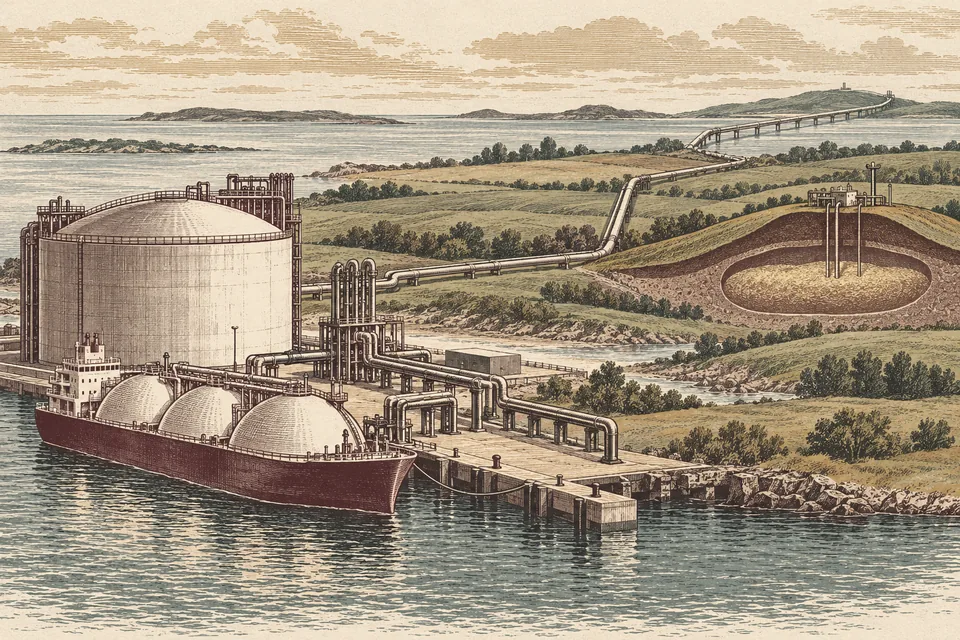
A 9 September IEA report examines physical reserves, flexible LNG contracts, cargo swaps and shared buffer options. It does not prescribe one reserve model and says the right mix depends on national conditions.
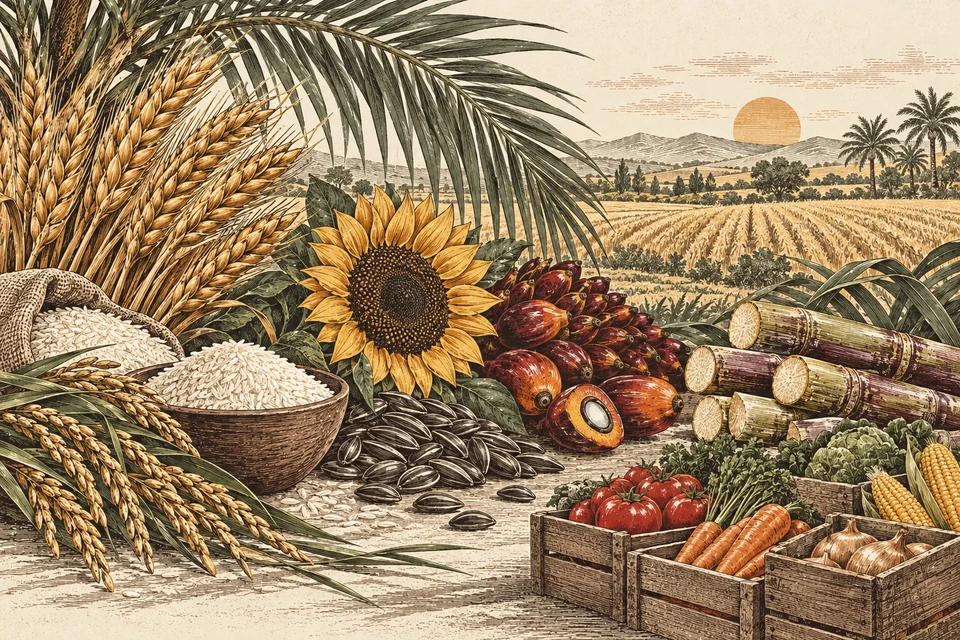
Cereal, vegetable oil and sugar indices advanced in September 2026, while meat fell and dairy eased slightly. The measure tracks international commodity prices, not national supermarket bills.
Source: Food and Agriculture Organization of the United Nations (FAO)
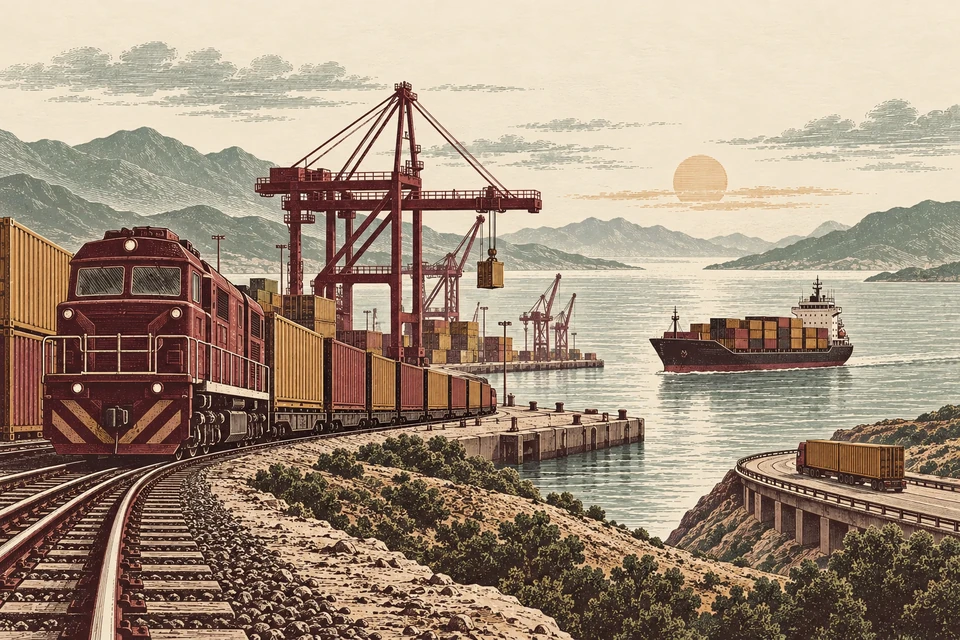
Rail, port and logistics upgrades combined with border-process reforms could alter travel times and trade on the Trans-Caspian route. The results are modeled scenarios for 2040.
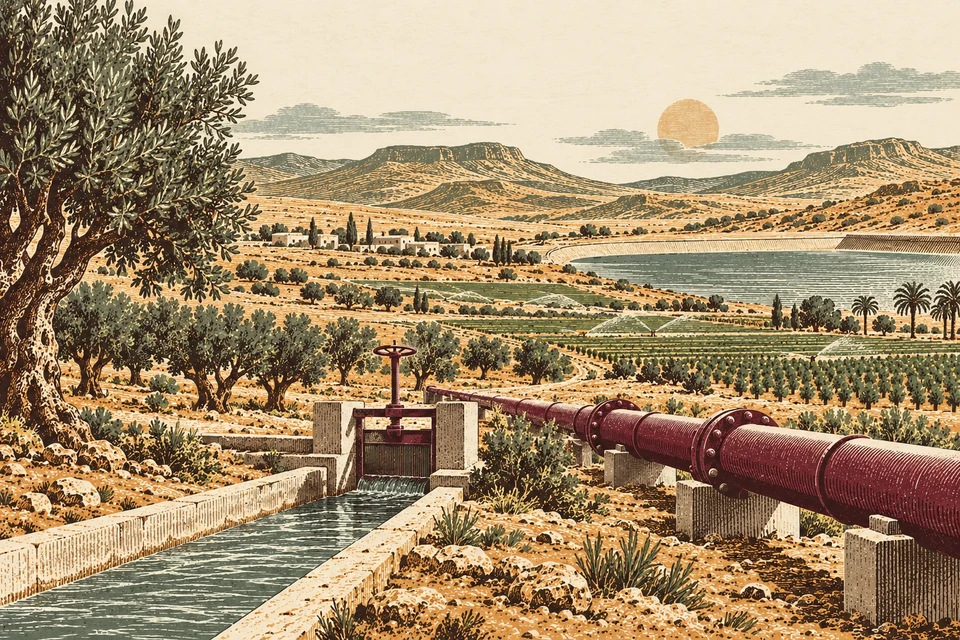
Renewable freshwater availability in Tunisia is about 380 cubic metres per person. The World Bank models substantial long-term GDP and agricultural employment losses if water stress persists.
The IMF projects 3.8% growth in 2026 but recommends gradual fiscal adjustment as large deficits, rising public debt and falling reserves weigh on resilience.
Solar energy, data centres and tourism could attract at least $600 million and support about 12,000 jobs over five years. The figures describe potential, not committed capital or employment already created.
The Arab Federation of Capital Markets reported an 18 percent year-on-year increase in January–September trading value, alongside higher share volumes and transaction counts.
Investment commitments reported at end-June were 141 percent higher than in 2021. Oman also outlined port cargo, refinery capacity and dry-dock activity.
In an IEA scenario, electricity could cost-effectively supply 33 percent of final energy use by 2035; projected import savings are not realized outcomes.
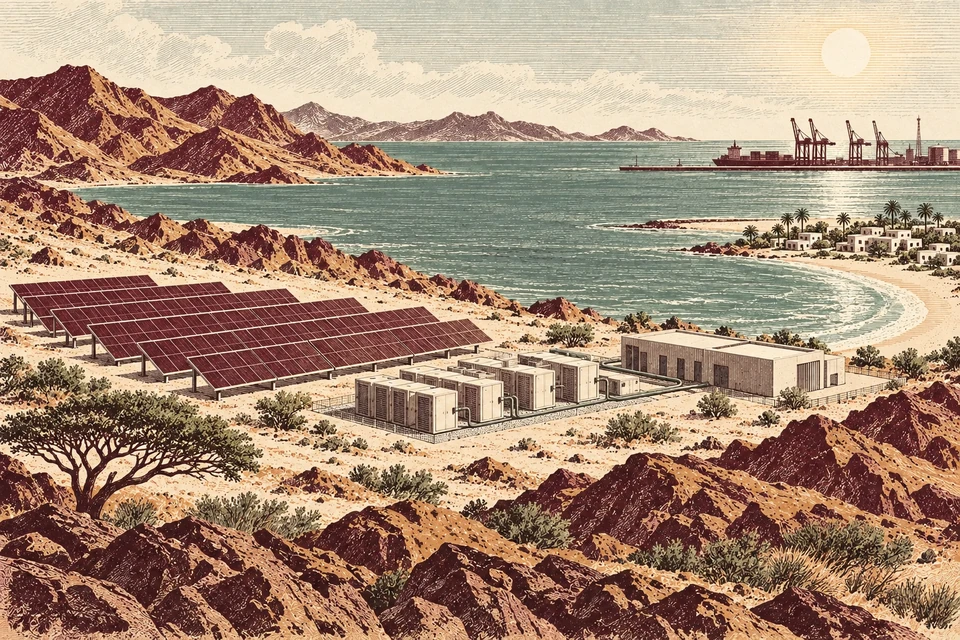
The utility’s long-term plan projects lower emissions despite rising electricity demand; its solar, battery and reverse-osmosis targets are not completed outcomes.
Source: Emirates News Agency (WAM), citing Emirates Water and Electricity Company (EWEC)
Google Analytics can measure visits and site activity using cookies if you allow it. You can change your choice later.
Measurement and privacy details
Google Analytics measurement starts only if you allow it. After consent, automatic measurement may cover scrolls, outbound link clicks, downloads, video engagement, site searches and basic form interactions; search terms may be detected from URL parameters. This site’s own code does not send form field values; email redaction in automatic measurement is best-effort, not guaranteed. Our manual page-view event uses a cleaned URL. You can change your choice later. Visits that begin with consent may also send numeric LCP, INP and CLS performance measurements after Analytics loads. A first or later grant starts this on the next page load; withdrawing consent stops these performance reports for this page. The preference cookie lasts six months; advertising measurement and personalization stay off.
Your browser is sending a Global Privacy Control signal. Analytics is off by default; you may explicitly change this choice here.